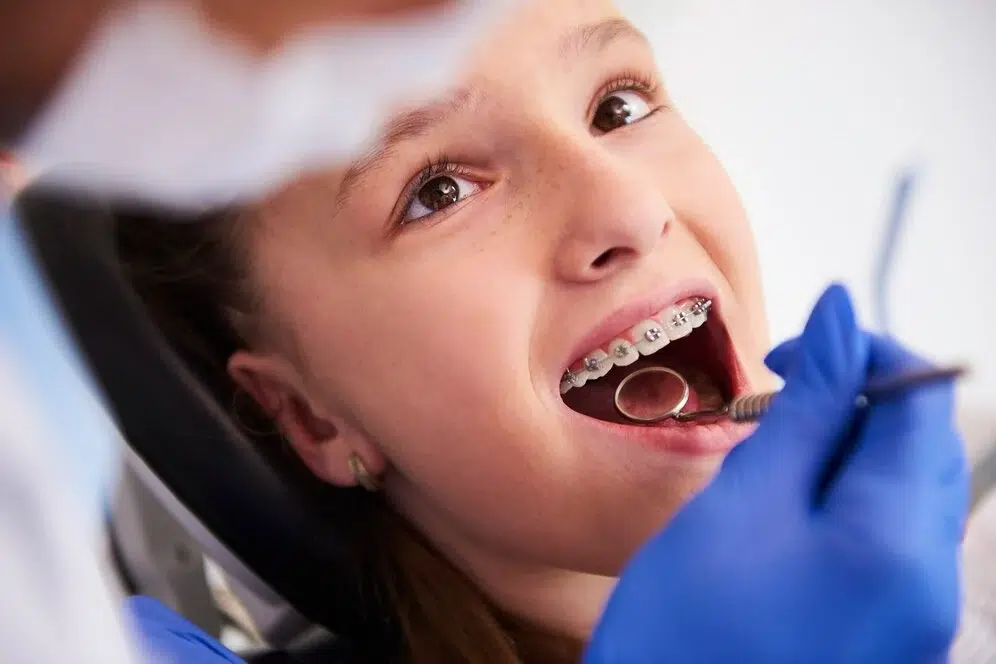
Invisalign has revolutionized orthodontic treatment, offering a discreet and convenient alternative to traditional braces. This blog post aims to provide a detailed understanding of how Invisalign works, shedding light on its benefits and considerations. Before delving into the mechanics of Invisalign, let’s explore the importance of dental alignment and its impact on oral health.
The Significance of Dental Alignment
Dental alignment plays a crucial role in overall oral health and well-being. Here, we highlight the key reasons why achieving proper dental alignment is important:
Aesthetics and Confidence
Having a straight and aligned smile enhances facial aesthetics and boosts self-confidence. Misaligned teeth can make individuals self-conscious about their appearance, leading to social and psychological impacts.
Bite Function and Chewing Efficiency
Proper dental alignment ensures that the upper and lower teeth fit together correctly when biting and chewing. Misaligned teeth can cause problems with bite function, leading to difficulties in chewing food properly and potentially affecting digestion.
Speech Clarity
Teeth that are properly aligned contribute to clear speech patterns. Misalignment issues, such as gaps or overcrowding, can impact speech clarity and pronunciation.
Oral Hygiene and Health
Aligned teeth are easier to clean effectively through brushing and flossing. When teeth are overcrowded or crooked, it becomes challenging to reach certain areas, increasing the risk of plaque buildup, tooth decay, and gum disease.
The Role of Invisalign in Dental Alignment
Invisalign offers a modern and innovative solution for achieving dental alignment. This section explores the fundamental aspects of Invisalign treatment and how Invisalign works with the challenges associated with traditional braces.
Invisaligns for Discreet Treatment
Invisalign employs a series of clear and virtually invisible Invisalign made from smooth, BPA-free plastic. This feature makes the treatment aesthetically appealing, allowing individuals to straighten their teeth without drawing attention to their orthodontic journey.
Customized Treatment Plan
Each Invisalign treatment begins with an initial consultation with an orthodontist who will assess the patient’s dental condition. Using advanced 3D imaging technology, the orthodontist creates a customized treatment plan that outlines the predicted tooth movement and the number of Invisalign required.
Custom Invisalign for Gradual Tooth Movement
Based on the treatment plan, a series of custom Invisalign are created specifically for each patient. These Invisalign are worn sequentially, typically for about 1-2 weeks each, applying controlled and gradual force to move the teeth into their desired positions.
Monitoring Progress and Invisalign Changes
Regular check-ups with the orthodontist are scheduled to monitor the progress of the Invisalign treatment. During these visits, the patient receives a new set of Invisalign to continue the gradual tooth movement. The number of Invisalign sets required varies depending on the complexity of the case.
Understanding Invisalign
Invisalign is an orthodontic treatment method that utilizes a series of clear, removable Invisalign to gradually straighten teeth. Unlike traditional braces, which use metal brackets and wires, Invisalign Invisalign are made of smooth, BPA-free plastic, making them virtually invisible when worn.
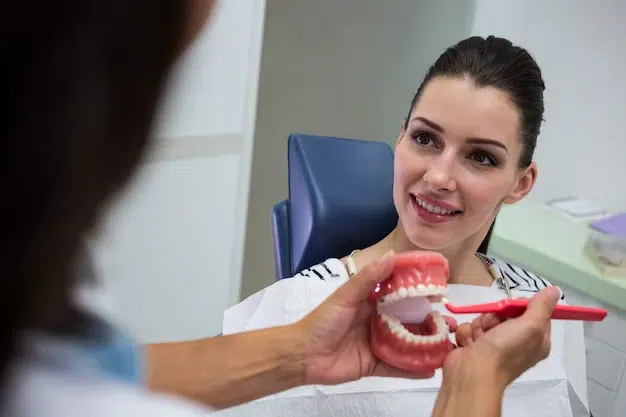
Definition and Purpose of Invisalign
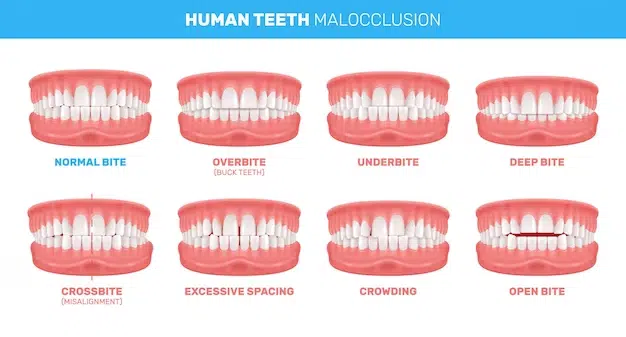
Invisalign is a teeth-straightening technique designed to address various orthodontic issues, including overcrowding, gaps between teeth, overbites, underbites, and crossbites. The Invisalign exert gentle pressure on specific teeth, gradually moving them to their desired positions over time.
The purpose of Invisalign is twofold: To improve the alignment of teeth for aesthetic reasons and to enhance oral health. By achieving proper dental alignment, individuals can enjoy a more confident smile while reducing the risk of dental problems associated with misaligned teeth.
The Process of How Invisalign Works
These are the main key factors for How Invisalign Works.
Initial Consultation with an Orthodontist
The journey to a straighter smile begins with an initial consultation with an experienced orthodontist who specializes in Invisalign treatment. During this consultation, you will have the opportunity to discuss your dental concerns, goals, and expectations. The orthodontist will examine your teeth, gums, and bites to determine if Invisalign is the right treatment option for you.
It’s essential to communicate openly with the orthodontist, sharing any specific concerns or questions you may have. This consultation serves as an opportunity to establish a rapport and ensure that you have a clear understanding of the treatment process.
Customized Treatment Plan
After determining that Invisalign is suitable for your orthodontic needs, the orthodontist will create a customized treatment plan. This plan outlines how Invisalign works to achieve your desired results. Using advanced computer software, the orthodontist will design a step-by-step treatment progression.
The treatment plan will provide an estimate of the treatment duration, the number of Invisalign needed, and the expected outcome. The orthodontist will explain the potential challenges and limitations of the treatment and address any concerns you may have.
Digital Impressions and 3D Modeling
Unlike traditional dental impressions using goopy materials, Invisalign employs digital scanning technology to create accurate 3D models of your teeth. This process is comfortable and efficient, as a handheld scanner captures detailed images of your teeth and gums.
The digital impressions are used to create a virtual representation of your current tooth alignment. This 3D model allows the orthodontist to visualize the planned tooth movements and make necessary adjustments to achieve optimal results.
Creation of Custom Invisalign
Once the treatment plan and 3D models are finalized, the orthodontist will proceed with creating your custom Invisalign. Using the digital models, a series of Invisalign are fabricated specifically for your treatment. Each Invisalign is designed to fit snugly over your teeth, exerting gentle pressure to gradually shift them into their desired positions.
The number of Invisalign required will depend on the complexity of your case and the treatment plan. Typically, a new set of Invisalign is provided every 1-2 weeks, progressing the tooth movement in a controlled manner.
Wearing Invisalign Invisalign
Proper Instructions for Wearing and Removing Invisalign
Wear Time
To ensure the effectiveness of your Invisalign treatment, it is essential to wear your Invisalign for 20-22 hours per day. This means they should only be removed for eating, drinking, brushing, and flossing. Consistency in wearing your Invisalign is key to achieving the desired tooth movements within the estimated treatment timeline.
Invisalign Insertion
When inserting your Invisalign, use gentle pressure to ensure they fit snugly over your teeth. Start with the back teeth and gradually apply pressure towards the front, seating the Invisalign properly. It’s normal to experience some initial tightness or pressure, but this will subside as your teeth adjust to the Invisalign.
Invisalign Removal
To remove your Invisalign, use your fingertips to gently apply pressure on the inside of the back molars on both sides of your mouth. Gradually lift the Invisalign off your teeth, using a rocking motion if needed. Avoid using excessive force or sharp objects that may damage the Invisalign.
Tips for Maintaining Oral Hygiene with Invisalign
Brushing and Flossing
Maintaining good oral hygiene is crucial during Invisalign treatment. Brush your teeth thoroughly after every meal before reinserting your Invisalign to prevent food particles from getting trapped. Use a soft-bristle toothbrush and fluoride toothpaste to clean your teeth and gums. Flossing should also be part of your daily routine to remove plaque and debris from between the teeth.
Cleaning Invisalign
Clean your Invisalign regularly to keep them clear and odor-free. Rinse them with lukewarm water to remove saliva and debris. Avoid using hot water, as it can deform the Invisalign. You can also use Invisalign cleaning crystals or a mild denture cleaner to deep clean your Invisalign periodically, following the manufacturer’s instructions.
Avoiding Staining Agents
While wearing Invisalign Invisalign, it’s best to avoid consuming staining agents such as coffee, tea, red wine, and colored sodas. If you do consume these beverages, rinse your mouth with water afterward and clean your Invisalign before reinserting them. This will help prevent discoloration or staining of the Invisalign.
Frequency of Invisalign Changes
The frequency of Invisalign changes will depend on your treatment plan, as determined by your orthodontist. In general, Invisalign are typically changed every 1-2 weeks. Each new set of Invisalign in the series will incorporate slight adjustments to continue the gradual movement of your teeth. Follow your orthodontist’s instructions regarding Invisalign changes to ensure a smooth progression throughout your treatment.
How Invisalign Invisalign Work
Mechanism of Gradual Teeth Movement
Invisalign Invisalign work by applying gentle and controlled forces to gradually move the teeth into their desired positions. Each set of Invisalign in the treatment series is designed to exert specific pressure on specific teeth, based on the treatment plan created by the orthodontist.
The Invisalign are custom-made using advanced computer software, which calculates the precise movements needed to achieve the desired tooth alignment. Over time, as the Invisalign are changed, they guide the teeth through the planned movements, gradually bringing them into the correct alignment.
Pressure Points and Controlled Force
Invisalign Invisalign utilize pressure points strategically placed on the Invisalign surface to apply targeted forces to the teeth. These pressure points are designed to facilitate the desired tooth movements by gently pushing or rotating them.
The Invisalign are made from a flexible and transparent thermoplastic material that fits snugly over the teeth. This ensures that the forces applied to the teeth are distributed evenly, minimizing discomfort and promoting efficient tooth movement.
The controlled force exerted by the Invisalign stimulates the remodeling of the bone surrounding the teeth. As the bone adapts to the new tooth positions, it allows the teeth to gradually shift into their desired locations. This process is known as bone remodeling and is a key factor in the success of Invisalign treatment.
Tracking Progress through Different Invisalign Sets
Invisalign treatment consists of a series of Invisalign, with each set worn for a specific duration, typically one to two weeks. Each Invisalign in the series represents a progressive step toward the final tooth alignment.
The Invisalign are designed to be worn in a specific order, with each Invisalign set exerting slightly different forces to continue the tooth movement. As you progress through the Invisalign sets, your teeth gradually shift according to the treatment plan established by your orthodontist.
Benefits of Invisalign Treatment
Aesthetics and Discreet Appearance
One of the most significant advantages of Invisalign treatment is its aesthetic appeal. The Invisalign are made from a clear, transparent material that is virtually invisible when worn on the teeth. This makes Invisalign an excellent choice for individuals who wish to straighten their teeth without drawing attention to their orthodontic treatment.
Unlike traditional braces with metal brackets and wires, Invisalign Invisalign provide a discreet solution that allows you to smile and socialize with confidence. The Invisalign blend seamlessly with your natural teeth, making them barely noticeable to others.
Comfort and Convenience Compared to Traditional Braces
Invisalign Invisalign offer superior comfort compared to traditional braces. The Invisalign are custom-made to fit snugly over your teeth, resulting in a smooth and comfortable experience. The absence of metal brackets and wires eliminates the risk of discomfort caused by sharp edges or irritation to the soft tissues of the mouth.
Additionally, Invisalign Invisalign do not require periodic adjustments like traditional braces. Instead, you receive a series of Invisalign that gradually shift your teeth into the desired positions. This means fewer visits to the orthodontist for adjustments, reducing inconvenience and time spent in the dental chair.
Removability for Eating, Drinking, and Oral Hygiene
Invisalign Invisalign are removable, which offers several advantages in daily life. Unlike traditional braces, you can take out your Invisalign when eating and drinking. This means you can enjoy all your favorite foods without restrictions or concerns about damaging brackets or wires. Simply remove the Invisalign, enjoy your meal, and brush your teeth before reinserting them.

Aftercare and Retention
Post-Treatment Care and Maintenance
After completing your Invisalign treatment, your orthodontist will provide specific instructions for post-treatment care and maintenance. It’s important to follow these guidelines to preserve the results and promote oral health. Here are some common post-treatment care practices:
Oral Hygiene: Maintain a diligent oral hygiene routine by brushing your teeth at least twice a day, flossing daily, and using mouthwash. Clean your Invisalign Invisalign as instructed by your orthodontist to prevent bacteria buildup.
Retainer Care: Clean and care for your retainers as advised by your orthodontist. This may involve using a retainer cleaning solution or gently brushing them with a soft toothbrush.
Dietary Habits: Avoid hard, sticky, or chewy foods that may damage your retainers or cause them to become dislodged. Be mindful of your dietary choices to protect your teeth and retainers.
The Importance of Wearing Retainers
Following your Invisalign treatment, your orthodontist will provide you with retainers to maintain the alignment of your teeth. Retainers are essential for preventing teeth from shifting back to their original positions. Here’s why wearing retainers is crucial:
Stabilizing Teeth: After orthodontic treatment, teeth need time to stabilize in their new positions. Retainers help to hold the teeth in place while the surrounding bone and soft tissues adjust and adapt.
Preventing Relapse: Without wearing retainers as prescribed, there is a risk of relapse, where the teeth gradually shift back toward their original positions. Consistent retainer use is key to preventing relapse and preserving your straightened smile.
Long-Term Results: Wearing retainers as instructed by your orthodontist ensures that you enjoy the long-term benefits of your Invisalign treatment. Retainers help maintain the alignment achieved during treatment, allowing you to enjoy a confident smile for years to come.
Follow-Up Appointments and Monitoring Progress
Regular follow-up appointments with your orthodontist are essential to monitor the progress of your treatment and ensure that your teeth remain stable. During these appointments, your orthodontist will assess the fit of your retainers, check the alignment of your teeth, and make any necessary adjustments. It’s important to attend these appointments as scheduled to address any concerns and maintain optimal oral health.
Additionally, your orthodontist may recommend periodic X-rays or other diagnostic tests to evaluate the long-term stability of your teeth and the health of your supporting structures.
Conclusion
In this blog, we delve into how Invisalign works. Invisalign offers a modern and effective approach to orthodontic treatment. By utilizing a series of Invisaligns, Invisalign gradually and gently shifts the teeth into their desired positions. The Invisalign are custom-made to fit snugly over the teeth, providing comfort and discretion. Through regular changes of the Invisalign and periodic monitoring by a dental professional, patients can achieve a beautifully aligned smile without the need for traditional braces. Invisalign’s innovative technology and patient-centric approach make it a popular choice for individuals seeking a convenient and aesthetically pleasing orthodontic solution.
Frequently Asked Questions
How Invisalign work?
Invisalign works by using a series of Invisaligns that gradually shift the teeth into their desired positions, following a customized treatment plan determined by the orthodontist.
Are the Invisalign Invisalign comfortable to wear?
Yes, Invisalign Invisalign are designed to be comfortable to wear as they are made from smooth, BPA-free plastic that fits snugly over the teeth without the need for wires or brackets.
How long does Invisalign treatment typically take?
The duration of Invisalign treatment varies depending on the complexity of the case, but on average, it can take about 12 to 18 months to achieve the desired results.


