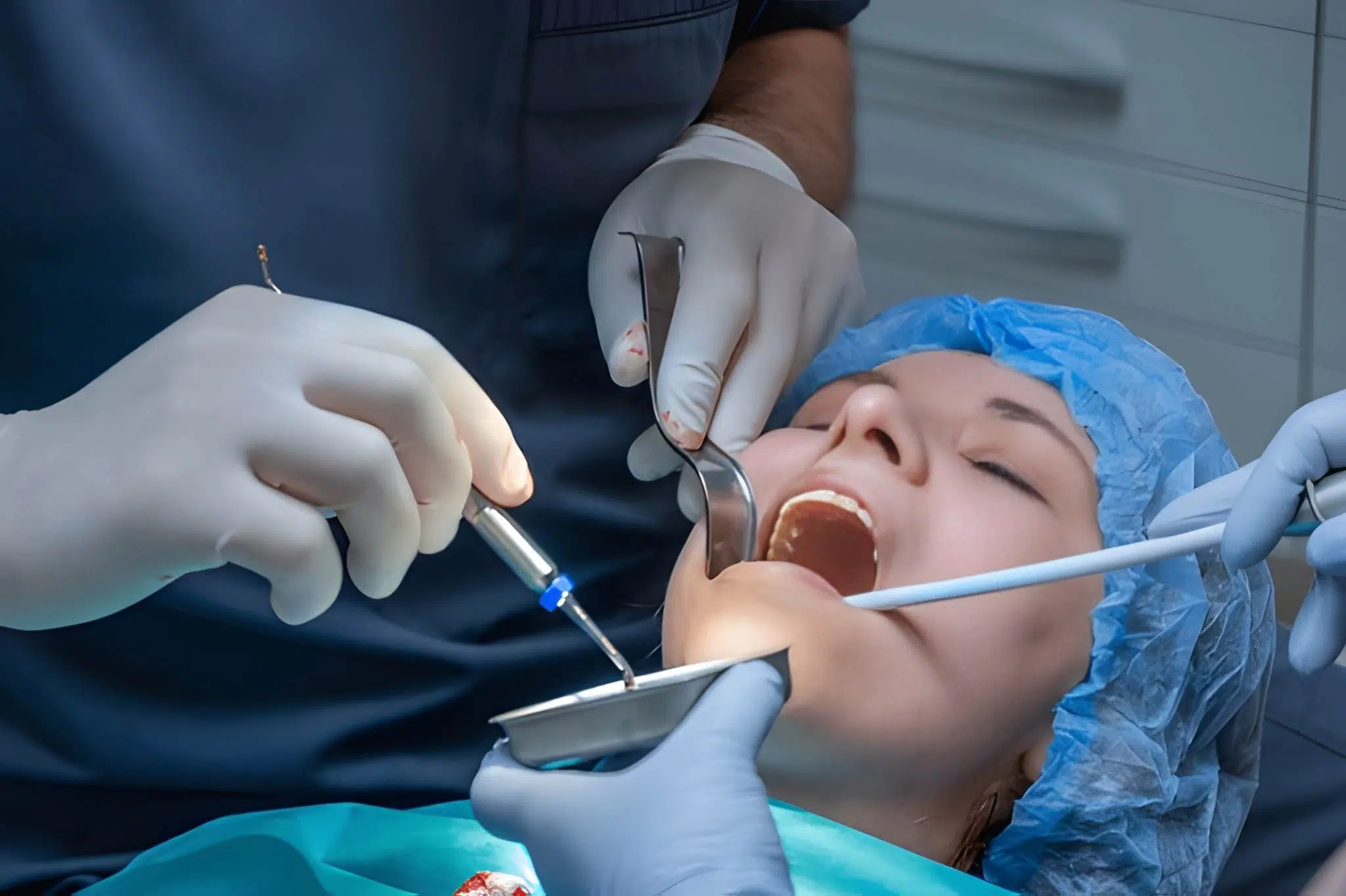
Dental implants have transformed modern dentistry by offering a long-lasting, natural-looking solution for missing teeth. However, not every patient is immediately ready for implant placement. One of the most common reasons for delay is insufficient jawbone volume. In such cases, a bone graft for dental implant placement becomes an essential preparatory step.
In this comprehensive guide, we’ll explain what bone grafting is, why it’s sometimes required, how the dental implant bone graft procedure works, recovery expectations, costs, and long-term benefits. If you’ve ever wondered, is bone graft necessary for dental implant treatment, this article will give you clear, practical answers.
The Role of Bone in Dental Implant Success
Dental implants rely on a process called osseointegration — the fusion of the implant post with the jawbone. This fusion provides stability, strength, and long-term durability. Without sufficient bone density and volume, implants may fail to integrate properly.
When a natural tooth is present, chewing forces stimulate the surrounding jawbone. Once a tooth is lost, that stimulation disappears. Over time, the bone begins to shrink a process known as resorption. This shrinkage can affect both the height and width of the jawbone, making implant placement challenging.
A dental bone graft rebuilds this lost structure, creating a stable foundation for successful implant integration.
Is Bone Graft Necessary for Dental Implant Placement?
Not every patient requires grafting. However, the answer to is bone graft necessary for dental implant treatment depends on several factors:
- How long the tooth has been missing
- Presence of gum disease
- Previous trauma to the jaw
- Bone density and thickness
Whether dentures have been worn for many years
If bone levels remain healthy and intact after recent tooth loss, immediate implant placement may be possible. But for patients who have experienced prolonged tooth loss or periodontal disease, grafting is often critical.
Advanced imaging such as cone beam CT scans helps assess bone quality accurately before planning treatment.
Why Bone Loss Happens in the Jaw
Bone loss is gradual and often unnoticed. Common causes include:
1. Long-Term Tooth Loss
When teeth are missing and not replaced promptly, the jaw no longer receives chewing stimulation. Over time, bone mass decreases.
2. Periodontal Disease
Gum disease affects more than soft tissue — it damages the supporting bone structure, often requiring a bone graft for dental implant stability.
3. Trauma or Injury
Accidents or impact injuries can reduce bone volume in localized areas.
4. Tooth Extractions Without Grafting
If a graft is not placed during extraction, natural bone shrinkage often follows.
Understanding the Dental Implant Bone Graft Procedure
The dental implant bone graft procedure involves placing graft material into areas where bone is insufficient. This material encourages the body to regenerate new bone tissue.
Step-by-Step Overview:
Assessment and Imaging
Detailed scans evaluate bone volume and identify deficiencies.
Anesthesia and Preparation
The area is numbed with local anesthesia. Sedation may be offered for comfort.
Placement of Graft Material
The graft material is carefully packed into the deficient area.
Suturing the Site
The area is closed with sutures to protect the graft.
Healing and Integration
Over several months, the graft integrates with existing bone.
Once healing is complete, implant placement can proceed with improved stability.
Types of Dental Bone Graft Materials
Different graft materials may be used depending on individual needs:
Autograft
- Bone taken from the patient’s own body.
High compatibility
- Requires additional surgical site
Allograft
- Donor bone material.
- No additional surgery
- Readily available
Xenograft
- Derived from animal sources.
- Widely used
- Safe and processed
Synthetic Grafts
- Laboratory-created materials.
- No disease transmission risk
- Biocompatible
Your dentist will determine which dental bone graft material is most appropriate.
Common Types of Bone Grafting Procedures
Socket Preservation
Performed immediately after tooth extraction to prevent bone shrinkage.
Ridge Augmentation
Increases jaw width or height when significant resorption has occurred.
Sinus Lift
Raises the sinus floor in the upper jaw to create space for implants.
Block Grafts
Used for repairing large bone defects.
Each method supports long-term implant success.
The Importance of Osseointegration
Osseointegration is the biological process that allows an implant to fuse with the jawbone. Without adequate bone support, this process may fail.
A properly performed bone graft for dental implant placement creates the necessary density and volume for strong integration. This ensures:
- Long-term implant stability
- Reduced risk of implant movement
- Better chewing efficiency
- Natural appearance
Dental Bone Graft Healing Time: What to Expect
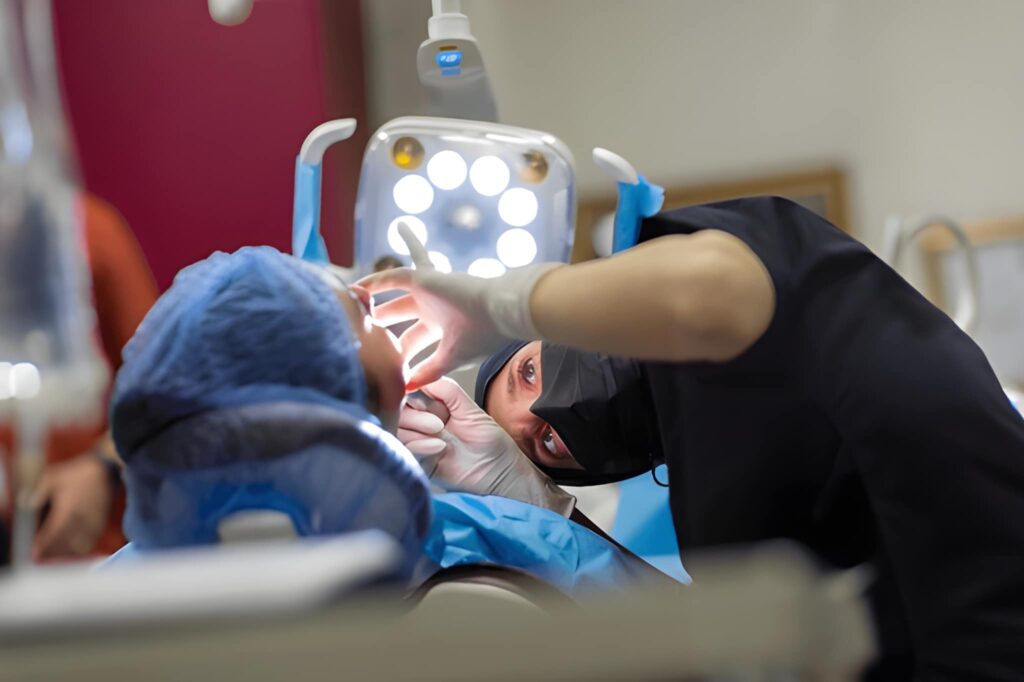
One of the most common patient questions is about dental bone graft healing time.
Healing varies based on:
- Size of the graft
- Location in the mouth
- Patient’s overall health
Type of graft material used
Typically, dental bone graft healing time ranges between 3 to 6 months. Smaller grafts may heal faster, while larger or more complex grafts may require longer.
During healing:
- Mild swelling and discomfort are normal
- Antibiotics may be prescribed
- Soft diet is recommended
- Follow-up appointments monitor progress
- Patience during this stage is essential for long-term implant success.
Benefits of Bone Grafting Before Implants
Investing time in a bone graft for dental implant placement provides multiple advantages:
1. Prevents Implant Failure
- Adequate bone ensures proper support and reduces risk of loosening.
2. Improves Aesthetic Outcomes
- Bone supports gum contours and facial structure.
3. Enhances Functionality
- Implants function more like natural teeth when securely anchored.
4. Preserves Facial Shape
- Bone loss can cause a sunken appearance; grafting maintains facial contours.
5. Reduces Complications
- Stronger bone lowers the risk of post-placement issues.
Bone Graft Before Dental Implant Cost: What Influences It?
The bone graft before dental implant cost varies depending on:
- Size of graft needed
- Type of graft material
- Complexity of procedure
- Imaging and diagnostic requirements
Whether sedation is used
While grafting adds to initial treatment costs, it significantly improves long-term implant success and reduces the likelihood of costly corrective procedures later.
When evaluating bone graft before dental implant cost, it’s important to consider long-term value rather than just upfront expenses.
When Bone Grafting May Not Be Required
Some patients may not need grafting if:
- Tooth loss is recent
- Bone density remains strong
- Immediate implant placement is feasible
- Advanced implant techniques can compensate for minor bone loss
- A thorough assessment determines the appropriate treatment plan.
Post-Surgery Care and Recovery Tips
After a dental implant bone graft procedure, proper aftercare ensures optimal healing.
Recovery Guidelines:
- Avoid strenuous activity for several days
- Follow prescribed medication instructions
- Maintain excellent oral hygiene
- Eat soft foods
- Avoid smoking
Following instructions carefully helps protect the graft and shorten dental bone graft healing time.
Long-Term Outcomes of a Bone Graft for Dental Implant
Bone grafting is not just a preparatory step it is an investment in durability.
Successful grafting allows implants to:
- Last decades
- Withstand chewing forces
- Maintain bone structure
- Preserve oral health
Without adequate bone, implants may fail prematurely. A properly integrated graft supports reliable osseointegration and functional strength.
Frequently Asked Questions
What is a dental bone graft?
- A surgical procedure that rebuilds jawbone structure to support dental implants.
- Is bone graft necessary for dental implant treatment in all cases?
- No. It depends on the patient’s bone volume and health.
What is typical dental bone graft healing time?
- Most cases heal within 3–6 months.
- What affects bone graft before dental implant cost?
- Procedure complexity, graft type, and diagnostic imaging.
Can the dental implant bone graft procedure be done the same day as implant placement?
In certain cases, yes. However, it depends on bone condition and treatment planning.
Why Bone Grafting Supports Confident Smiles
Dental implants are among the most reliable tooth replacement options available today. But their success depends entirely on bone stability. A carefully planned bone graft for dental implant treatment ensures a solid foundation for lasting results.
For patients considering implants, understanding whether grafting is required is essential. Addressing bone loss early prevents complications and increases long-term satisfaction.
Conclusion
Bone grafting plays a vital role in modern implant dentistry. When bone volume is insufficient, a bone graft for dental implant placement restores strength, structure, and stability. From improving osseointegration to enhancing aesthetic outcomes, grafting lays the groundwork for durable, natural-looking results.
Patients often ask, is bone graft necessary for dental implant treatment? The answer depends on bone health, timing, and overall oral condition. Understanding dental bone graft healing time, the dental implant bone graft procedure, and factors affecting bone graft before dental implant cost helps patients make informed decisions.
At Dental Scotland, comprehensive dental care includes advanced diagnostics, restorative dentistry, cosmetic treatments, dental implants, preventative care, and tailored treatment planning. Whether you are exploring implants, clear aligners, cosmetic bonding, or general dental services, the goal is always the same long-term oral health, function, and confidence.
By building a strong foundation with proper bone support, patients can enjoy secure implants and a smile designed to last for years to come.