Invisalign has revolutionized the world of orthodontics by providing a discreet, comfortable, and effective alternative to traditional metal braces. For patients looking to achieve a straighter, healthier smile, Invisalign offers flexibility and convenience. However, despite its many advantages, patients often encounter challenges that can slow progress or compromise results. Understanding invisalign mistakes and how to avoid them is essential for a smooth, efficient treatment journey.
Whether you are a first-time Invisalign user or have some experience, being aware of common Invisalign problems and how to manage them can ensure your treatment stays on track. In this guide, we cover everything you need to know to get the best outcome from your Invisalign aligners.
1. Understanding Invisalign and How It Works
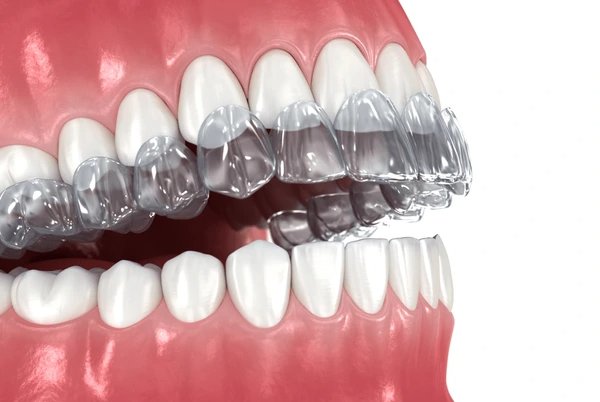
Before discussing the invisalign treatment mistakes that patients commonly make, it is crucial to understand how Invisalign works. Invisalign uses a series of clear, removable aligners designed from 3D scans of your teeth. Each aligner applies controlled pressure to gradually shift your teeth into the desired position.
Unlike traditional braces, Invisalign’s effectiveness depends heavily on patient compliance. Wearing the aligners for the recommended 20–22 hours per day is key. Many patients searching for how to get best results from Invisalign are surprised to learn that success is 80% dependent on consistent daily wear. Small errors like skipping hours, eating without removing aligners, or improper cleaning can lead to delayed progress or the need for additional aligners.
Components of an Invisalign System
- Custom-made clear aligners for precise tooth movement
- Attachment buttons on teeth to assist with specific movements
- Elastics in certain cases to correct bite issues
- Digital treatment plan created from 3D scans
Invisalign’s almost invisible design and removability make it convenient, but only when used correctly.
2. Most Common Invisalign Mistakes
Even minor mistakes can affect the overall success of your treatment. Here are the top invisalign mistakes that patients often make:
- Not wearing aligners for the required time
- Drinking hot or sugary drinks with aligners in
- Skipping or delaying aligner changes
- Poor cleaning habits
- Not using chewies to seat aligners properly
- Missing orthodontic checkups
- Losing or damaging aligners
Being aware of these common pitfalls and understanding how to avoid them can save time, money, and frustration during your treatment.
3. Mistakes During Daily Wear
Not Wearing Aligners for 20–22 Hours a Day
One of the most frequent invisalign mistakes is underestimating the importance of wearing aligners consistently. Patients may remove aligners for snacks, drinks, or short breaks, thinking that a few minutes won’t matter. However, even small periods add up.
Why it matters:
Tooth movement requires constant pressure.
Skipping hours can lead to slower progress, discomfort, or the need for additional aligners.
How to avoid:
- Only remove aligners for eating and cleaning.
- Set phone reminders or use Invisalign’s app to track wear time.
Eating or Snacking Frequently
Frequent snacking reduces the number of hours aligners are worn. Each removal interrupts treatment, which may extend the total treatment time.
Solution:
Plan meals strategically and limit snacks to keep aligners in for the recommended time.
Drinking Hot or Sugary Drinks
Hot beverages can warp aligners, while sugary drinks increase the risk of cavities and staining.
Solution:
Always remove aligners before consuming anything other than water.
4. Cleaning & Maintenance Mistakes
Proper care is crucial to avoid invisalign not working properly due to bacteria buildup or tray distortion.
Cleaning Aligners with Toothpaste
Toothpaste can scratch aligners, creating a rough surface where bacteria can accumulate.
Correct Cleaning Methods:
- Use clear mild soap and lukewarm water.
- Invisalign cleaning crystals can help maintain hygiene.
- Not Brushing Before Reinserting Aligners
Failing to clean your teeth before reinserting aligners can trap food particles, leading to staining, bad breath, or cavities.
Solution:
- Brush and floss teeth before putting aligners back in.
- Rinse aligners every time you remove them.
Exposing Aligners to Heat
Leaving aligners in a hot car or cleaning them with hot water can warp the plastic, making aligners ineffective.
Solution:
Always use lukewarm or cool water for cleaning and storage.
5. Mistakes That Affect Treatment Progress
Skipping Checkups or Virtual Monitoring
Regular appointments allow your orthodontist to monitor your progress and make necessary adjustments.
Solution:
- Attend all scheduled appointments.
- Use virtual monitoring apps if offered by your dentist.
Not Using Chewies
Chewies are small devices that help seat aligners properly. Neglecting them can result in gaps between aligners and teeth, slowing movement.
Solution:
- Use chewies for 5–10 minutes daily, as recommended.
- Losing or Damaging Aligners
- Misplacing aligners is more common than you think.
Solution:
- Always store aligners in their case.
- Keep the previous set as a backup in case of loss.
6. Emotional & Lifestyle Challenges
Lifestyle choices can also contribute to common invisalign problems.
- Drinking hot beverages: Warps trays and reduces effectiveness.
- Smoking: Stains aligners and slows gum healing.
- Traveling: Forgetting cases or misplacing trays.
- Chewing gum or hard foods: Can crack or distort trays.
Solution:
- Plan ahead and maintain consistent habits.
- Educate yourself about proper use and communicate issues with your orthodontist.
7. Orthodontic Mistakes After Treatment
Even after treatment, patients can make errors that affect long-term results.
Not Wearing a Retainer
After completing Invisalign, teeth naturally try to return to their original positions. Not wearing a retainer can undo the results.
Solution:
- Use a retainer nightly as prescribed by your dentist.
- Bad Oral Habits
- Nail-biting, chewing ice, or using teeth as tools can disrupt alignment.
- Maintain good dental hygiene and follow retainer instructions to protect results.
8. How to Get Best Results from Invisalign
Achieving the desired outcome requires commitment. Here are tips for how to get best results from Invisalign:
- Follow the wear-time schedule: 20–22 hours per day.
- Maintain oral hygiene: Brush, floss, and clean aligners regularly.
- Protect aligners: Store them safely when not in use.
- Use chewies consistently: Ensures a snug fit and proper movement.
- Communicate with your provider: Report any discomfort, lost trays, or tracking issues.
By staying consistent, following your dentist’s advice, and avoiding invisalign treatment mistakes, you can achieve a faster and more predictable result.
9. Cost Considerations for Invisalign Treatment
When considering Invisalign treatment, one of the most important factors for many patients is the cost. Invisalign is a premium orthodontic solution, offering the advantages of clear, removable aligners that are customized for each patient. Unlike traditional braces, Invisalign combines advanced technology, convenience, and aesthetics, which is reflected in the overall pricing. Understanding the factors that influence cost and how to get the most value for your investment can help patients make informed decisions.
Factors Influencing Invisalign Costs
The total cost of Invisalign treatment varies depending on several key factors. Firstly, the complexity of the case plays a major role. Simple tooth alignment issues typically require fewer aligners and less adjustment time, making treatment more affordable. Conversely, complex cases such as severe crowding, bite misalignment, or multiple tooth movements require more aligners, attachments, and refinements, which increase the cost.
Secondly, the duration of treatment impacts the price. Invisalign treatment plans usually last anywhere from 6 months to 18 months or more. Longer treatment durations require additional aligners and more frequent monitoring by your orthodontist, both of which can add to the overall cost.
Finally, the need for attachments or refinements also affects pricing. Attachments are small, tooth-colored bumps placed on teeth to assist with difficult movements, while refinements are additional sets of aligners used to perfect results at the end of the planned treatment. Both are essential in certain cases to ensure the desired outcome and contribute to treatment efficiency and success.
Average Cost in the UK
In the UK, Invisalign treatment generally ranges from £2,500 to £5,000. This range accounts for differences in case complexity, clinic location, orthodontist expertise, and any additional services included, such as digital scans, monitoring, and follow-up care. While this may seem like a significant investment, it is important to consider the long-term benefits of achieving a straighter, healthier smile without the discomfort and visibility of traditional braces.
Maximizing Value by Avoiding Invisalign Mistakes
To ensure that your investment in Invisalign is worthwhile, it is essential to follow your treatment plan diligently and avoid common invisalign mistakes. Failing to wear aligners consistently, skipping checkups, or neglecting oral hygiene can slow progress and require additional aligners or refinements, effectively increasing the total cost. By staying committed, patients can achieve results efficiently, minimizing the need for extra interventions and ensuring that every pound spent contributes to the final outcome.
In summary, Invisalign is a premium dental treatment with costs influenced by complexity, duration, and additional requirements. Patients who adhere to their treatment plan and avoid invisalign treatment mistakes can maximize both their financial investment and the quality of their smile
Conclusion:Final thoughts
Invisalign is an excellent option for patients seeking a discreet, convenient way to straighten their teeth. However, success relies on diligence and avoiding common invisalign problems such as not wearing aligners for the full recommended time, skipping cleaning, or neglecting retainer use post-treatment.
For patients at Dental Scotland, their experienced team ensures each Invisalign treatment is customized, monitored, and supported throughout the process. Alongside Invisalign, Dental Scotland offers cosmetic services like composite bonding, dental implants, and clear aligners, as well as general dentistry for complete oral health care. By following these tips, staying consistent, and utilizing expert guidance from Dental Scotland, patients can enjoy a confident, beautiful smile without the common setbacks of Invisalign.
Remember, awareness and prevention of invisalign mistakes are the keys to a successful, efficient, and rewarding orthodontic journey.