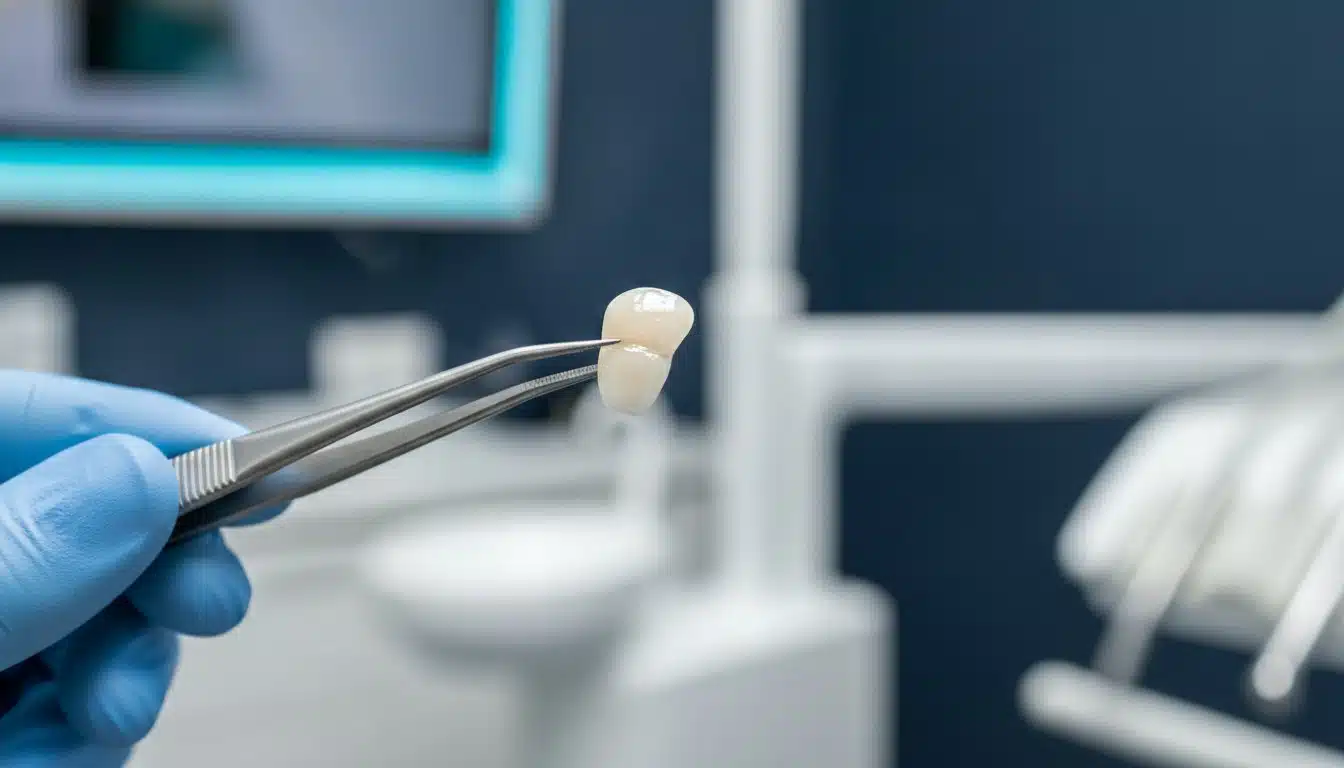
What if the “shark teeth” photos you see on social media have nothing to do with professional veneers? Many people find themselves asking, do veneers ruin your teeth, after seeing aggressive dental work online that leaves natural teeth looking like tiny pegs. It’s completely natural to feel anxious about the idea of irreversible damage to your healthy enamel or long term sensitivity. You want a beautiful smile, but you don’t want to compromise your dental health to get there.
The reality is that modern cosmetic dentistry has evolved far beyond the heavy-handed techniques of the past. We’re here to help you discover the truth about how veneers affect your natural enamel and how to achieve a dream smile without compromising your dental health. This guide explains the crucial difference between precision preparation and over-preparation, highlighting why a minimally invasive approach is now the gold standard. You can enjoy a radiant result whilst keeping your natural teeth strong. We’ll break down the process into clear steps, giving you the confidence to book a consultation with all the facts in hand.
Key Takeaways
- Distinguish between veneers and aggressive crown preparations to understand why viral “shark teeth” images are often misleading.
- Learn why the answer to “do veneers ruin your teeth” is a clear no when using modern, minimally invasive techniques that preserve your natural enamel.
- Compare the non-invasive nature of composite bonding with the lasting aesthetic quality and durability of porcelain veneers.
- Discover why choosing GDC-registered specialists in the UK is essential for avoiding the permanent risks associated with aggressive dental tourism.
- Find out how conservative smile design allows for a dramatic emotional transformation whilst maintaining the structural integrity of your teeth.
Do Veneers Ruin Your Natural Teeth? Separating Fact from Fiction
The question “do veneers ruin your teeth” is perhaps the most common concern we hear from patients exploring cosmetic dentistry. It’s a valid worry. Your natural enamel is precious, and the thought of permanent damage can be daunting. However, when performed by a skilled professional, veneers are a conservative enhancement rather than a destructive one. While the process involves a permanent change to the tooth, “ruined” is a complete misconception when the treatment is planned with precision.
To understand the process, we should first clarify the terminology. What are dental veneers? Essentially, they are ultra-thin shells of porcelain or composite resin bonded to the front of the tooth. They are designed to improve aesthetics whilst leaving the majority of your tooth structure intact. Far from ruining the tooth, high-quality porcelain is highly biocompatible. It mimics the light-reflecting properties of natural enamel and actually provides a protective layer against external wear, shielding the tooth underneath from further erosion.
The ‘Turkey Teeth’ Myth and Over-Preparation
Social media is flooded with images of people who have had their teeth filed down into small, pointed “pegs” before receiving restorations. This phenomenon, often dubbed “Turkey Teeth,” has created a massive misunderstanding. Those pegs are the result of aggressive preparation for full-coverage dental crowns, not veneers. Crowns require the removal of 60% to 70% of the natural tooth, whereas professional veneers are far more conservative.
Filing teeth into pegs is often a sign of poor clinical practice or a “one size fits all” treatment plan. Removing too much healthy tissue carries a high biological cost; it increases the risk of nerve damage and long term sensitivity. True veneers involve removing only a microscopic layer of enamel. This ensures the foundation of your smile remains strong, healthy, and vital for decades to come.
How Modern Dentistry Prioritises Enamel Preservation
Techniques used in the 1990s often required significant tooth reduction to accommodate thicker materials. Today, the landscape is different. We now utilise ultra-thin porcelain that allows for a “minimally invasive” approach. The goal is to keep the preparation entirely within the enamel layer for several reasons:
- Bonding Strength: Dental adhesives bond significantly better to enamel than to the underlying dentine.
- Structural Integrity: Preserving the natural foundation maintains the tooth’s resistance to biting forces.
- Precision: Modern materials allow for beautiful results with as little as 0.5mm of preparation, roughly the thickness of a contact lens.
A skilled cosmetic dentist acts as both an artist and a guardian of your oral health. By prioritising the preservation of your natural foundation, we ensure that your new smile is as durable as it is stunning. When you choose a high-quality clinical approach, the answer to whether veneers ruin your teeth is a resounding no.
The Veneer Preparation Process: What Happens to Your Enamel?
A common misconception is that the preparation process leaves your natural smile vulnerable. Patients often ask, do veneers ruin your teeth by stripping away all the protection? In reality, the goal of modern preparation is to create just enough space for the porcelain to sit flush with your gum line. Without this micro-reduction, the result would look bulky and unnatural. By removing a tiny layer of enamel, usually between 0.5mm and 0.7mm, we ensure your new smile looks seamless and elegant.
This amount of removal is roughly the thickness of a fingernail. It’s a precise, controlled process that keeps the tooth strong and healthy beneath the bonded surface. Advanced technology like Digital Smile Design allows us to practice “additive dentistry.” This means we plan the final result first, often finding that we need to remove even less tooth structure than traditional methods required. For a deeper look at the clinical journey, including Veneers: Benefits, Risks, and What to Expect, it’s clear that preservation is the priority. If you’d like to see how this technology works, you can explore our bespoke smile design services online.
The 5 Steps of a Conservative Veneer Fitting
We follow a logical, step-by-step progression to ensure the highest standard of care. This structured approach minimises enamel removal whilst maximising the aesthetic outcome. Your journey typically involves:
- Comprehensive Health Check: We ensure your underlying teeth and gums are healthy and decay-free before starting.
- Digital Scanning: We create a 3D mock-up so you can visualise the final result before any work begins.
- Micro-Preparation: A tiny amount of enamel is refined under local anaesthetic for total comfort.
- Temporary Veneers: High-quality temporaries are fitted to protect your teeth whilst your bespoke porcelain is crafted.
- Precision Bonding: The final porcelain shells are bonded with medical-grade adhesive for a permanent, high-strength finish.
Why Some Patients Experience Temporary Sensitivity
It’s normal to feel a bit of “zing” or mild sensitivity whilst wearing temporary veneers. These are designed for short-term use and don’t seal the tooth as perfectly as the final porcelain will. This sensation is temporary and usually disappears the moment the final veneers are bonded. The bonding process creates a permanent seal over the tooth, shielding it from temperature changes. To manage the adjustment period, we recommend avoiding ice-cold drinks for the first few days and using a sensitive-formula toothpaste. Most patients find they feel completely back to normal within a week of their final appointment.
Composite Bonding vs Porcelain Veneers: Which is Safer?
Choosing between these two popular treatments is a significant decision for anyone looking to enhance their smile. Many patients wonder, do veneers ruin your teeth, especially when comparing them to no-prep options like bonding. Both paths are designed to be safe and effective, but they interact with your natural enamel in very different ways. Understanding the trade-off between reversibility and longevity is key to deciding which path is right for you. Both treatments prioritise your dental health when performed by specialists.
The Case for Non-Invasive Composite Bonding
Composite bonding is often celebrated for its non-invasive nature. It involves applying a tooth-coloured resin directly to the surface of the tooth, usually without any removal of enamel. This makes it an ideal “entry-level” cosmetic choice, especially for younger patients or those looking to fix minor chips and small gaps. Because the process is additive, it can be reversed or repaired easily if your needs change in the future. It’s a fantastic way to see an immediate emotional transformation without a permanent commitment to your tooth structure.
However, composite resin is a porous material. It can pick up stains over time from coffee, tea, or red wine. It also lacks the high-end translucency of porcelain, meaning it might not mimic natural light reflection as perfectly as a ceramic restoration would. For many, this is a fair trade for a procedure that requires zero drilling and offers high flexibility.
When Porcelain Veneers are the Superior Choice
When you have significant wear, deep staining, or want a complete smile makeover, porcelain is the superior choice. Porcelain shells are incredibly durable and highly resistant to staining. They provide a level of aesthetic precision that bonding simply cannot match. If you’re researching the porcelain veneers cost UK, you’ll find that whilst the initial investment is higher, the longevity often makes it more cost-effective over ten or fifteen years. Understanding how long porcelain veneers last is an important part of evaluating that long-term value.
A Clinical Review of Veneer Consequences highlights that whilst porcelain preparation is permanent, it actually protects a weakened tooth from further erosion. This is a crucial point for patients asking, do veneers ruin your teeth. By shielding the natural tooth with a hard, ceramic layer, you’re preventing external forces from causing more damage to the enamel foundation. Porcelain doesn’t just look better; it acts as a durable barrier. It’s a sophisticated solution for those who want a long-term, high-quality result that stays bright and beautiful for a decade or more.

How to Ensure Your Teeth Aren’t Ruined: 3 Crucial Rules
Achieving a beautiful smile shouldn’t come at the cost of your long term health. If you are worried and asking, do veneers ruin your teeth, the answer lies entirely in the hands of your clinician. To protect your natural enamel, you must follow three essential rules that separate high-end care from risky shortcuts. Ethical cosmetic dentistry is the prioritisation of tooth health over speed.
The first rule is to only trust a GDC-registered cosmetic dentist. In the United Kingdom, the General Dental Council ensures that professionals adhere to strict safety and ethical standards. A registered expert will always prioritise the minimally invasive approach we discussed earlier. They view your teeth as a biological foundation to be preserved, not a commodity to be replaced. This level of professional clinical authority is what keeps your natural teeth safe.
Secondly, you must avoid the risks of dental tourism for veneers. While “Turkey Teeth” packages might seem tempting due to lower initial costs, they often rely on aggressive over-preparation. Filing healthy teeth into small pegs is a shortcut used to fit crowns quickly, which can lead to permanent nerve damage. Choosing a local specialist ensures you receive a bespoke treatment plan designed for your specific facial features and dental needs, rather than a one-size-fits-all solution. Part of that bespoke planning involves understanding how many veneers you actually need to achieve a natural, symmetrical result without over-treating healthy teeth.
Red Flags to Watch Out For During a Consultation
A consultation is your opportunity to interview the dentist. It’s a vital step in your journey. If you notice these red flags, it is a sign that the provider may not have your best interests at heart:
- Aggressive Preparation: Any suggestion of filing down all your teeth without showing you a digital mock-up first.
- Ignoring the Bite: A lack of discussion regarding your occlusion, or how your teeth meet, which can lead to broken porcelain and jaw pain.
- High Pressure: Sales tactics that rush you into a decision without allowing for a cooling-off period to think things through.
The Role of Aftercare in Preserving Your Smile
Your responsibility doesn’t end when the veneers are bonded. Proper maintenance is what prevents the question of do veneers ruin your teeth from becoming a reality later in life. A successful long term outcome depends on a few simple habits:
- Professional Cleaning: Regular hygienist visits are essential to prevent gum recession, which can expose the edges of the restorations.
- Night Guards: If you grind your teeth at night, a custom guard will protect your investment from fractures.
- Lifestyle Choices: Smoking and a high-sugar diet can still cause decay in the natural tooth structure behind the porcelain.
If you are ready to explore a conservative path to a new smile, you can book a consultation with our experts today to discuss your options in a low-pressure environment.
A Confident Path to Your New Smile with Dental Scotland
We believe that a beautiful smile is an investment in your confidence, but it should never come at the cost of your dental integrity. Throughout this guide, we’ve addressed the common fear: do veneers ruin your teeth? The answer is a clear no, provided you choose a clinical team that values conservative techniques over quick fixes. Our commitment to health-first cosmetic dentistry means we treat your natural enamel as a precious resource, ensuring your transformation is both stunning and sustainable.
With a multi-clinic presence across the country, we provide accessible, high-end care that brings world-class cosmetic solutions to your local high street. We’ve designed our patient journey to be supportive and low-pressure, removing the barriers that often cause anxiety. You don’t have to choose between a radiant appearance and a healthy mouth. By focusing on precision and modern materials, we help you achieve the look you desire whilst keeping your natural teeth strong and vital for the future.
Our Conservative Smile Design Philosophy
Our approach is built on the principle of “minimal intervention.” We aim to remove the absolute minimum amount of enamel required to create a flush, natural-looking finish. For many patients, this means a micro-preparation of just 0.5mm. Every plan we create is entirely personalised, tailored to your unique facial features, lip line, and personal preferences. We don’t believe in “cookie-cutter” smiles. Instead, we use the latest digital technology to plan your result with mathematical precision. This ensures not only a beautiful look but also the comfort and longevity you expect from a premium restoration. A key part of this personalised planning is determining how many veneers you actually need based on your unique lip line and smile width, ensuring we never treat more teeth than necessary.
Book Your Consultation and Remove the Uncertainty
The first step toward your new smile is a detailed conversation. We offer a transparent pricing structure and flexible payment options for our private treatments, ensuring that high-quality care is attainable. Our Price Match Promise further reinforces our commitment to providing exceptional value locally. During your consultation, we’ll guide you through the entire process, from initial digital scans to the final reveal. It’s a collaborative experience where your questions are answered and your dental health is always the priority. Don’t let myths or social media trends hold you back from the confidence you deserve. Book your cosmetic consultation today and discover how we can transform your smile whilst protecting your natural foundation.
Embrace a Radiant Smile with Complete Confidence
Modern cosmetic dentistry has rewritten the rules of smile design. We’ve seen that when you prioritise a minimally invasive, health-first approach, the answer to do veneers ruin your teeth is a resounding no. By choosing precision over aggressive shortcuts, you can enjoy a stunning aesthetic transformation whilst keeping your natural tooth structure strong and vital. High-quality porcelain doesn’t just look natural; it acts as a protective layer for your foundation.
With over 20 years of expertise in cosmetic dentistry, our GDC-registered cosmetic specialists are here to guide you through a supportive, low-pressure experience. You deserve a smile that reflects your confidence without compromising your long term oral health. It’s time to move past the myths and embrace the reality of modern, conservative care. Start your journey to a safer, more confident smile today with a team that puts your health first. Your dream results are closer than you think.
Frequently Asked Questions
Can veneers be removed if I change my mind later?
Porcelain veneers are considered a permanent, irreversible treatment because a small amount of enamel is removed during the fitting process. If they are removed, the teeth must be replaced with new veneers or crowns to stay protected and functional. If you prefer a reversible alternative, composite bonding is often a better choice as it typically requires no enamel removal at all.
Do teeth rot under veneers if they aren’t fitted correctly?
Natural teeth only decay under veneers if there is a poor clinical fit or inadequate oral hygiene. When fitted by a GDC-registered professional, the bond is hermetically sealed to prevent bacteria from entering. If you’re worried and asking do veneers ruin your teeth through decay, the answer is only if they aren’t maintained with regular brushing and professional hygienist check-ups.
How much enamel is actually removed for a porcelain veneer?
Modern techniques require very little reduction, usually between 0.5mm and 0.7mm of enamel. This is roughly the thickness of a fingernail or a contact lens. This micro-reduction is essential to ensure the final porcelain shell sits flush with your gum line, preventing a bulky or unnatural appearance whilst keeping the tooth foundation strong and healthy.
Is the veneer procedure painful or will I need anaesthetic?
The procedure is not painful because we use local anaesthetic to ensure you’re completely comfortable during the preparation phase. Most patients describe the feeling as a mild vibration rather than pain. Once the anaesthetic wears off, you might experience slight sensitivity for a few days, but this is temporary and easily managed with standard over-the-counter relief.
What happens if a veneer falls off or gets damaged?
If a veneer becomes loose or chips, you should contact your clinic immediately to have it professionally re-bonded or replaced. Whilst porcelain is incredibly durable, it can fracture under extreme pressure from habits like biting on ice or sports injuries. We often recommend a custom night guard for patients who grind their teeth to protect their investment from damage.
Can I get veneers if I have gum disease or sensitive teeth?
You must have a healthy foundation before starting any cosmetic work. If you have active gum disease, we’ll provide a treatment plan to stabilise your oral health first. For those with sensitive teeth, veneers can actually be a benefit; the porcelain acts as a protective shield that reduces the exposure of your nerves to hot and cold triggers.
How long do porcelain veneers last before they need replacing?
High-quality porcelain veneers typically last between 10 and 15 years, though many patients find they last longer with excellent care. Their lifespan depends heavily on your lifestyle choices and oral hygiene habits. Because the question of do veneers ruin your teeth is often linked to their long-term success, attending regular dental examinations is vital for early maintenance. For a comprehensive breakdown of what affects durability and how to maximise your results, our guide on how long porcelain veneers last and how to care for them covers everything you need to know.
Is there a ‘no-prep’ version of veneers available?
Ultra-thin “no-prep” veneers are an option for some patients and require no enamel removal at all. These are ideal for adding volume to smaller teeth or closing minor gaps without permanent changes to the tooth structure. However, they aren’t suitable for everyone, especially if you need to mask dark staining or correct significant misalignment where micro-preparation provides a superior aesthetic.


