When it comes to improving your smile, modern cosmetic dentistry offers several effective solutions. Among the most popular choices are composite bonding vs veneers, two treatments designed to enhance tooth appearance, restore confidence, and correct imperfections such as chips, gaps, and discoloration. While both options are widely recommended by dental professionals, deciding between composite bonding or veneers can feel overwhelming without a clear understanding of how each works.
This comprehensive guide explores the difference between composite bonding and veneers, covering procedure details, durability, cost, aesthetics, and suitability. Whether you’re looking for a quick fix or a long-term transformation, this article will help you determine which is better veneers or bonding for your unique smile goals.
Understanding Cosmetic Dentistry and Smile Enhancement
Cosmetic dentistry focuses on improving the appearance of teeth, gums, and overall smile harmony. Treatments are designed not only to look natural but also to function comfortably in everyday life. Both bonding and veneers fall under this category, offering minimally invasive to advanced options depending on the level of correction needed.
Choosing between composite bonding vs veneers depends on several factors, including the condition of your teeth, your budget, lifestyle habits, and how permanent you want the solution to be.
What Is Composite Bonding?
Composite bonding is a cosmetic dental procedure where a tooth-coloured resin material is applied directly to the surface of the tooth. The resin is carefully sculpted, shaped, and polished to blend seamlessly with surrounding teeth, creating a natural appearance.
One of the biggest advantages of composite bonding is its simplicity. The procedure is usually completed in a single visit, requires little to no enamel removal, and delivers immediate results. For patients with small chips, minor gaps, or uneven edges, composite bonding provides a fast and effective solution.
Key Features of Composite Bonding
- Tooth-coloured resin applied directly to the tooth
- Minimal or no drilling involved
- Same-day smile enhancement
- Cost-effective cosmetic solution
Because of these benefits, many patients consider bonding when comparing composite bonding or veneers.
What Are Veneers?
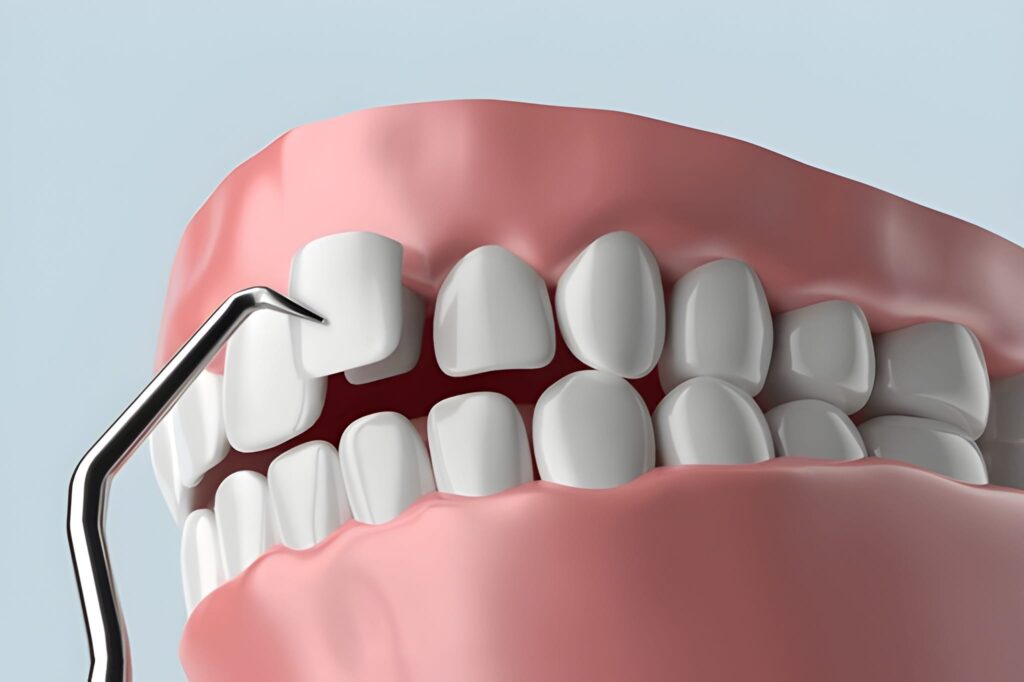
Veneers are thin shells made from porcelain or composite resin that are custom-designed to cover the front surface of teeth. Unlike bonding, veneers typically require the removal of a small amount of enamel to ensure a precise fit and long-lasting result.
Veneers are ideal for patients seeking a more dramatic transformation. They can correct a wide range of cosmetic concerns, including severe discoloration, worn enamel, uneven spacing, and irregular tooth shapes.
Types of Veneers
- Porcelain veneers – Known for durability, stain resistance, and lifelike translucency
- Composite veneers – Applied directly in the clinic with resin material
When evaluating composite bonding vs porcelain veneers, porcelain veneers are often seen as the premium, long-term solution.
Difference Between Composite Bonding and Veneers
Understanding the difference between composite bonding and veneers is essential before making a decision. While both treatments improve appearance, they vary significantly in application, longevity, and cost.
Coverage Area
- Composite bonding: Targets specific areas such as chips or small gaps
- Veneers: Cover the entire front surface of the tooth
Tooth Preparation
- Bonding: Minimal to no enamel removal
- Veneers: Requires permanent enamel reduction
Longevity
- Bonding: Typically lasts 5–7 years
- Veneers: Can last 10–15 years or longer with proper care
These distinctions play a major role when patients ask which is better veneers or bonding.
Pros and Cons of Composite Bonding
Advantages of Composite Bonding
Quick and Convenient
Composite bonding is often completed in one appointment, making it ideal for busy individuals.
Minimally Invasive
Because it preserves natural tooth structure, bonding is a conservative cosmetic option.
Affordable
When comparing veneers vs bonding cost, bonding is the more budget-friendly choice upfront.
Reversible
Since enamel removal is minimal, bonding is considered a less permanent option.
Limitations of Composite Bonding
Shorter Lifespan
Bonding is not as durable as veneers and may require touch-ups over time.
Staining Risk
Composite resin is more porous than porcelain and can stain from coffee, tea, or wine.
Aesthetic Limitations
While natural-looking, bonding may not match the translucency of porcelain veneers.
Pros and Cons of Veneers
Advantages of Veneers
Exceptional Durability
Porcelain veneers are known for their long lifespan, often lasting over a decade.
Stain Resistance
Porcelain resists discoloration, keeping your smile bright for years.
Natural Appearance
Custom fabrication ensures veneers blend seamlessly with natural teeth.
Limitations of Veneers
Higher Cost
When considering veneers vs bonding cost, veneers require a higher initial investment.
Irreversible Procedure
Enamel removal means veneers are a permanent commitment.
Multiple Visits Required
The process usually involves at least two appointments.
Composite Bonding vs Porcelain Veneers: Aesthetic and Functional Comparison
When comparing composite bonding vs porcelain veneers, porcelain veneers often deliver superior aesthetics. Their translucent quality closely mimics natural enamel, making them ideal for patients seeking flawless smile makeovers.
Composite bonding, while effective, is best suited for subtle corrections rather than full smile transformations. The choice ultimately depends on the desired outcome and level of correction required.
Procedure Time and Convenience
One key factor in the composite bonding vs veneers debate is procedure time.
- Composite bonding: Completed in one visit
- Veneers: Require preparation, impressions, and fitting over multiple visits
For patients seeking immediate improvement, bonding offers unmatched convenience.
Veneers vs Bonding Cost: Short-Term vs Long-Term Value
Cost plays a significant role in decision-making. Composite bonding has a lower upfront cost, making it attractive for patients on a budget. However, because bonding may need replacement every few years, long-term expenses can add up.
Veneers, though more expensive initially, often prove cost-effective over time due to their durability. Evaluating veneers vs bonding cost requires considering both immediate affordability and long-term value.
How Long Does Composite Bonding Last?
On average, composite bonding lasts between 5 and 7 years. Proper oral hygiene, regular dental check-ups, and avoiding habits such as nail-biting or chewing hard objects can extend its lifespan.
Patients comparing composite bonding or veneers should consider maintenance expectations when making their choice.
Which Is Better Veneers or Bonding for Chipped Teeth?
For small chips or minor imperfections, bonding is often sufficient. It restores appearance quickly and conservatively. However, for larger chips or teeth with multiple cosmetic issues, veneers provide stronger and longer-lasting results.
So, which is better veneers or bonding? The answer depends on the extent of damage and your aesthetic goals.
Who Is a Good Candidate for Composite Bonding?
Composite bonding is ideal for:
- Minor chips and cracks
- Small gaps between teeth
- Slightly uneven tooth edges
- Patients seeking a non-permanent solution
- It’s also suitable for younger patients who want to preserve natural tooth structure.
Who Is a Good Candidate for Veneers?
Veneers are often recommended for:
- Significant discoloration
- Worn or uneven enamel
- Multiple cosmetic imperfections
- Patients seeking long-term solutions
- Good oral health is essential before proceeding with veneers or bonding.
Choosing Between Composite Bonding or Veneers
Deciding between composite bonding or veneers involves balancing appearance, durability, cost, and permanence. There is no universal answer, and both treatments can deliver beautiful results when tailored to individual needs.
Long-Term Smile Goals and Lifestyle Considerations
When choosing between cosmetic dental treatments such as composite bonding or veneers, it is essential to think beyond immediate results and consider your long-term smile goals and lifestyle habits. While both treatments can significantly enhance the appearance of your teeth, their durability and performance are closely linked to how you care for your smile on a daily basis.
Lifestyle habits play a major role in how long cosmetic dental work lasts. For example, smoking can cause staining and discoloration, particularly with composite bonding, which is more porous than porcelain. Frequent consumption of coffee, tea, or red wine may also lead to visible staining over time, reducing the brightness of your smile. Veneers, especially porcelain ones, are more stain-resistant, but excessive exposure can still affect surrounding natural teeth.
Another important factor is teeth grinding or clenching (bruxism). This habit puts extra pressure on teeth and can lead to chipping, cracking, or premature wear of both bonding and veneers. In such cases, protective measures like night guards may be recommended.
By discussing your daily habits, oral care routine, and long-term expectations with your dentist, a personalized treatment plan can be created. This ensures your chosen cosmetic solution not only looks great but also remains durable, comfortable, and suitable for your lifestyle over time.
Conclusion: Composite Bonding vs Veneers for a Confident Smile
When comparing composite bonding vs veneers, it’s clear that both treatments play valuable roles in modern cosmetic dentistry. Composite bonding offers an affordable, minimally invasive solution for minor enhancements, while veneers provide a durable, high-end option for complete smile transformations.
At Dental Scotland, patients can explore cosmetic dentistry alongside a wide range of advanced dental services, including smile makeovers, restorative care, dental implants, orthodontic solutions, and preventative treatments. With a patient-focused approach and modern techniques, the right cosmetic solution can be tailored to suit both your smile goals and long-term oral health.
Whether you’re deciding between composite bonding vs porcelain veneers or weighing veneers vs bonding cost, professional guidance ensures a confident, informed decision helping you achieve a healthy, natural-looking smile that lasts.