A confident smile can transform the way you feel about yourself and how others perceive you. Whether in social situations or professional environments, your smile plays a powerful role in first impressions. While porcelain veneers are often considered the gold standard in cosmetic dentistry, they are not the only path to a beautiful smile. For many patients, composite bonding offers a more accessible, minimally invasive, and cost-effective solution.
In this comprehensive guide, we will explore composite bonding vs veneers, break down the differences in procedure, durability, and aesthetics, and help you determine which option is right for your smile makeover.
Understanding Composite Bonding vs Veneers
When comparing composite bonding vs veneers, it’s important to understand how each treatment works and what makes them different.
What Is Composite Bonding?
Composite bonding is a cosmetic dental procedure that uses a tooth-coloured resin material to improve the appearance of teeth. The resin is applied directly to the tooth, carefully shaped to correct imperfections, and hardened using a special curing light. Once polished, the bonded tooth blends seamlessly with your natural teeth.
Composite bonding can address:
- Chipped or cracked teeth
- Small gaps between teeth
- Discolouration resistant to whitening
- Misshapen or uneven teeth
- Mild tooth decay
Exposed roots due to gum recession
The procedure is minimally invasive and often completed in a single visit.
What Are Veneers?
Veneers are thin, custom-made porcelain shells bonded to the front surface of teeth. To place veneers, a small layer of enamel is removed, and impressions are sent to a dental laboratory for fabrication. Veneers typically require multiple appointments.
While veneers provide excellent durability and aesthetics, they involve permanent alteration to the natural tooth structure.
Composite Bonding Pros and Cons
Before deciding on treatment, it’s essential to understand the composite bonding pros and cons.
Pros of Composite Bonding
- Affordable compared to veneers
- Minimally invasive procedure
- Preserves natural tooth enamel
- Usually completed in one visit
- Reversible in most cases
- Natural-looking results
- No recovery time
Cons of Composite Bonding
- Less durable than porcelain veneers
- More prone to staining over time
- May require touch-ups or replacement sooner
- Not ideal for severe structural damage
Understanding these composite bonding pros and cons helps you make an informed choice based on your budget, lifestyle, and cosmetic goals.
Composite Bonding Cost vs Veneers vs Bonding Cost
One of the biggest deciding factors in composite bonding vs veneers is affordability.
Composite Bonding Cost:
The composite bonding cost is significantly lower than veneers because:
- No laboratory fees are required
- The procedure takes less time
- Fewer appointments are needed
- No extensive enamel removal is involved
For patients seeking cosmetic improvements without a high financial commitment, composite bonding is an attractive option.
Veneers vs Bonding Cost
When comparing veneers vs bonding cost, veneers are typically more expensive due to:
- High-quality porcelain material
- Laboratory fabrication
- Multiple dental visits
Permanent tooth preparation
Although veneers last longer (often 10–15 years), composite bonding remains a practical solution for patients who want immediate aesthetic improvements at a lower upfront cost.
Is Composite Bonding Worth It for a Smile Makeover?
A common question patients ask is: is composite bonding worth it?
The answer depends on your expectations and dental condition. For minor cosmetic flaws, composite bonding delivers excellent results quickly and affordably. If your goal is to correct chips, reshape teeth, close small gaps, or improve mild discolouration, bonding can dramatically enhance your smile without aggressive procedures.
It is especially worth considering if:
- You want fast results
- You prefer a non-invasive approach
- You’re working within a budget
- You want reversible treatment options
- For many individuals, the answer to is composite bonding worth it is a confident yes.
How Composite Bonding Works in Smile Makeovers
Composite bonding plays a major role in modern smile makeover treatments. A smile makeover often involves combining cosmetic procedures such as:
- Veneers
- Crowns
- Dental bonding
- Teeth whitening
- Gum reshaping
- Teeth straightening
Composite bonding is often the most affordable treatment included in a smile makeover plan. Dentists use it to correct:
- Stains unresponsive to whitening
- Small gaps
- Chipped or fractured teeth
- Uneven tooth edges
- Slightly misaligned teeth
The process usually takes around 30–60 minutes per tooth, and results are immediate.
Step-by-Step: What to Expect During Composite Bonding
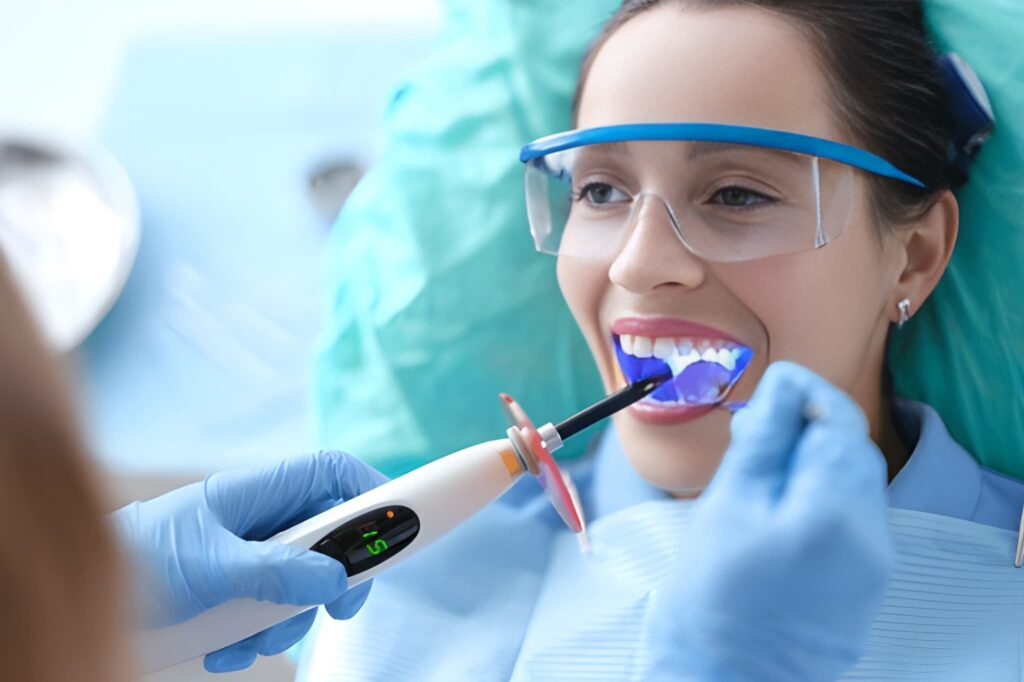
Understanding the procedure can ease any concerns you may have.
1. Consultation
Your dentist evaluates your teeth, discusses your cosmetic goals, and determines whether bonding is suitable.
2. Tooth Preparation
The tooth surface is gently etched to help the resin adhere properly. Unlike veneers, minimal or no enamel removal is required.
3. Application
A putty-like composite resin is applied in layers and carefully shaped.
4. Curing
A high-intensity light hardens the material.
5. Polishing
The bonded tooth is polished to match the shine of natural enamel.
No anaesthesia is typically required unless treating decay. There is no recovery period, and you can resume normal activities immediately.
Composite Bonding Teeth Before and After
One of the most exciting aspects of bonding is seeing composite bonding teeth before and after results.
Before treatment, patients may have:
- Noticeable chips
- Uneven edges
- Small gaps
- Surface discolouration
After bonding:
- Teeth appear smoother
- Gaps are closed
- Chips are invisible
- Smile symmetry improves
- Overall brightness increases
The transformation can be dramatic, even though the procedure itself is conservative.
When reviewing composite bonding teeth before and after cases, patients often notice how natural the results look a key reason bonding remains so popular.
Durability: How Long Does Composite Bonding Last?
With proper care, composite bonding typically lasts between 5 and 10 years. Veneers may last longer, but bonding offers the advantage of easier repair and lower replacement costs.
To extend longevity:
- Maintain excellent oral hygiene
- Avoid biting hard objects
- Limit staining foods and beverages
- Attend regular dental check-ups
While bonding may require occasional touch-ups, its affordability often balances out the need for maintenance.
Who Is a Good Candidate?
Composite bonding is ideal for patients with:
- Minor cosmetic concerns
- Good overall oral health
- Realistic expectations
- Small structural imperfections
It may not be recommended for severe decay, extensive fractures, or heavy bite pressure. In those cases, crowns or veneers may be more appropriate.
Aesthetic Comparison: Composite Bonding vs Veneers
When evaluating composite bonding vs veneers, aesthetics are a key consideration.
- Veneers
- Highly polished porcelain finish
- Exceptional stain resistance
- Longer lifespan
- Composite Bonding
- Natural appearance
- Easily adjusted or repaired
- More affordable
While veneers often provide a more durable finish, bonding offers excellent cosmetic enhancement for mild to moderate imperfections.
Maintenance and Aftercare
Caring for bonded teeth is straightforward:
- Brush twice daily
- Floss regularly
- Avoid chewing ice or hard foods
- Limit coffee, tea, and red wine
Schedule routine professional cleanings
Bonded teeth do not require special products, but maintaining good oral hygiene significantly improves their lifespan.
Why Many Patients Choose Bonding First
When comparing composite bonding vs veneers, many patients prefer to start with composite bonding because it offers flexibility, affordability, and a conservative approach to cosmetic dentistry.
One of the biggest advantages is that bonding allows patients to “test drive” their new smile. Since the resin is applied directly to the teeth without significant enamel removal, patients can see immediate improvements in shape, size, and symmetry. If they later decide they want a more permanent or dramatic transformation, veneers remain an option.
Another key reason is preservation of natural tooth structure. Unlike veneers, which require enamel reduction, bonding keeps the tooth largely intact. This makes it a safer and less invasive first step for those who are hesitant about permanent changes.
Financially, bonding involves a lower upfront investment. For patients exploring smile enhancements but working within a budget, bonding provides noticeable cosmetic improvement without the higher cost associated with porcelain veneers.
Finally, bonding can be easily repaired, adjusted, or upgraded in the future. This adaptability makes it a practical and reassuring starting point for anyone considering a long-term smile transformation.
Conclusion: Choosing the Right Smile Solution
Ultimately, deciding between composite bonding vs veneers comes down to your goals, dental condition, and budget. Composite bonding provides a fast, affordable, and minimally invasive way to enhance your smile. While veneers may offer greater durability, bonding remains an outstanding alternative for many patients seeking cosmetic improvement.
For individuals exploring smile makeover options, professional consultation is essential. A comprehensive assessment ensures the treatment aligns with both aesthetic goals and long-term oral health.
At Dental Scotland, patients have access to a full range of modern dental services, including cosmetic treatments like composite bonding, dental implants, clear aligner therapy, and comprehensive general dentistry. Whether you’re looking to correct minor imperfections or pursue a complete smile transformation, expert guidance and advanced dental technology can help you achieve confident, natural-looking results.
If you’re wondering is composite bonding worth it, the answer may lie in your desire for an affordable, effective, and minimally invasive cosmetic solution. With proper care and professional support, composite bonding can provide a beautiful smile makeover without the higher cost and permanence of veneers.
Your perfect smile might be simpler and more affordable than you think.