Dental implants are widely regarded as one of the most reliable and natural-looking solutions for replacing missing teeth. Patients considering implant treatment often ask one crucial question: how long do dental implants last? This is a valid concern, as dental implants represent a long-term investment in both oral health and quality of life.
With modern dental advancements, high-quality materials, and proper care, dental implants can last for decades and in many cases, a lifetime. Their exceptional durability, comfort, and functionality make them the preferred tooth replacement option over traditional dentures or bridges.
In this in-depth guide, we explore how long do dental implants last, examine the dental implant lifespan, and break down the factors affecting dental implant success. We will also share expert advice on dental implant maintenance tips to help ensure dental implants long term success.
Understanding Dental Implants and Their Long-Term Purpose
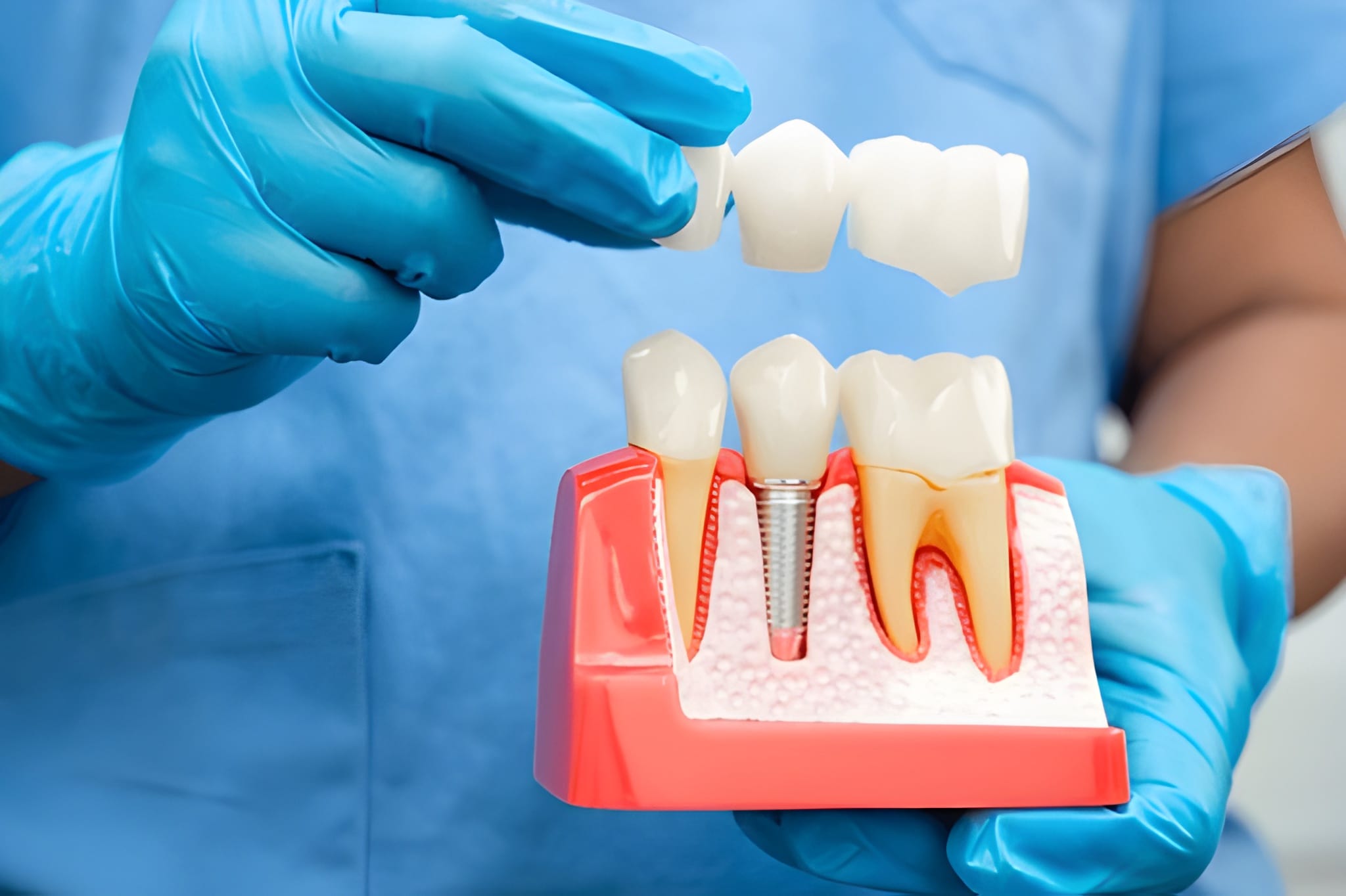
Dental implants are designed to function like natural teeth. They consist of three main components:
- A titanium implant fixture placed into the jawbone
- An abutment that connects the implant to the restoration
- A crown, bridge, or denture that restores appearance and function
Unlike removable options, implants are fixed in place, offering superior stability and comfort. This structural design is one of the key reasons patients wonder whether do dental implants last forever.
How Long Do Dental Implants Last?
- The short answer is: dental implants are built to last a very long time.
When patients ask how long do dental implants last, it’s important to understand that implants have different components with different lifespans:
- Implant fixture (titanium post): Can last a lifetime with proper care
- Crown or prosthetic: Typically lasts 10–15 years before replacement due to wear
Clinical studies consistently show dental implants have a success rate of 95–98% after 10 years, making them one of the most dependable restorative treatments in dentistry.
The Science Behind Dental Implant Longevity
Osseointegration: The Foundation of Implant Success
The remarkable dental implant lifespan is made possible by a biological process known as osseointegration. This occurs when the titanium implant fuses with the surrounding jawbone, forming a strong and stable anchor.
This process usually takes 3–6 months and is essential for long-term stability. Once integration is complete, the implant becomes a permanent part of the jaw structure.
Osseointegration explains why dental implants feel natural, function like real teeth, and support long-term oral health.
Dental Implants vs Other Tooth Replacement Options
When comparing longevity:
- Dentures typically require replacement every 5–8 years
- Dental bridges last around 7–10 years
- Dental implants can last decades or longer
This comparison highlights why implants are often considered the gold standard for tooth replacement and raises the question again: do dental implants last forever? While no dental treatment is completely immune to wear, implants come remarkably close.
Factors Affecting Dental Implant Success
Although dental implants are highly successful, several variables influence how long they last. Understanding these factors affecting dental implant success can help patients protect their investment.
Patient-Related Factors and Dental Implant Lifespan
Overall Health
Systemic health plays a significant role in implant outcomes. Conditions that interfere with healing can shorten the dental implant lifespan, including:
- Uncontrolled diabetes
- Osteoporosis
- Bone-related disorders
Healthy bone is essential for implant stability. Adequate bone density allows the implant to remain secure under chewing forces for many years.
Ageing and Bone Changes
As patients age, bone density can decrease. While age alone is not a barrier to implants, maintaining bone health is critical for dental implants long term success.
Procedural Factors That Impact Implant Longevity
Quality of Materials
High-grade titanium implants and durable porcelain crowns significantly enhance implant longevity. Premium materials resist corrosion, wear, and biological rejection, supporting long-term outcomes.
Precision and Planning
Proper planning ensures implants are positioned to distribute bite forces evenly. Poor placement can increase stress on the implant, potentially reducing its lifespan.
Advanced imaging, careful assessment, and customised treatment planning are essential components of successful implant dentistry.
Implant Location and Its Role in Longevity
Implant location is another important consideration in how long do dental implants last.
- Front teeth: Experience lighter forces, often lasting longer
- Back teeth (molars): Endure heavier chewing pressure, increasing wear
Molars are subject to grinding and crushing forces, which may cause crowns to wear faster, even though the implant itself remains stable.
Lifestyle and Environmental Factors
Bruxism (Teeth Grinding)
Grinding or clenching places excessive pressure on dental implants. Over time, this can damage the crown or strain the implant components.
- A protective night guard is often recommended to maintain dental implants long term success.
How Smoking Affects Dental Implant Success Rates
Smoking is one of the most significant factors affecting dental implant success.
Research shows smokers face implant failure rates up to 20% higher than non-smokers. Smoking:
- Reduces blood flow to the gums
- Slows healing
- Interferes with osseointegration
Quitting smoking before and after implant treatment dramatically improves outcomes and increases the dental implant lifespan.
Do Dental Implants Last Forever?
Patients frequently ask: do dental implants last forever?
The implant fixture itself is designed to be permanent. With good health and proper care, it can remain functional for a lifetime. However, crowns and prosthetic components experience normal wear and typically require replacement after 10–15 years.
So while implants may not be literally “forever” in every case, they are the longest-lasting tooth replacement solution available.
Dental Implant Maintenance Tips for Maximum Longevity
Proper care is essential for preserving implants. Following expert dental implant maintenance tips can significantly extend their lifespan.
Daily Oral Care Routine
Although implants cannot decay, the surrounding gums and bone require careful maintenance to prevent peri-implantitis.
Essential daily habits include:
- Brushing twice daily with a soft-bristled toothbrush
- Using non-abrasive toothpaste
- Cleaning between teeth with floss, interdental brushes, or water flossers
- Rinsing with alcohol-free antimicrobial mouthwash
These practices protect the gum tissue that supports the implant.
Professional Maintenance Schedule
Routine professional care is vital for dental implants long term success.
Recommended schedule:
- Professional cleanings every 3–6 months
- Annual X-rays to monitor bone levels
- Periodic assessment of implant restorations
- Personalised maintenance plans help identify issues early and protect long-term implant stability.
Dental Implant Maintenance Routine for Long-Term Success
- Morning:
Brush thoroughly for two minutes with a soft brush
- After Meals:
Rinse with water or alcohol-free mouthwash
- Evening:
Brush again and clean around implants using floss or water flosser
- Night:
Wear a night guard if recommended
- Every 3–6 Months:
Professional cleaning and evaluation
- Immediately:
Seek care if discomfort, swelling, or movement occurs
Early Warning Signs That Require Attention
Prompt action prevents implant failure. Contact a dental professional if you notice:
- Bleeding or swollen gums around the implant
- Pain or discomfort when chewing
- Gum recession exposing implant threads
- Looseness in the crown or implant
- Early intervention protects the dental implant lifespan.
Why Dental Implants Are a Long-Term Investment
Dental implants are widely recognized as a long-term investment in oral health, primarily due to their durability, functionality, and aesthetic appeal. While the upfront cost of dental implants may seem higher compared to traditional tooth replacement options such as removable dentures or fixed bridges, the benefits they provide often outweigh the initial expense over time. Unlike dentures or bridges, which require periodic adjustments, relining, or replacement due to wear, implants are designed to integrate permanently with the jawbone, creating a stable and natural foundation for artificial teeth.
This integration, known as osseointegration, allows the implant to function like a natural tooth root, providing unmatched stability and support for chewing, speaking, and smiling. Patients rarely experience the slipping or discomfort commonly associated with dentures, which enhances overall quality of life and confidence. Moreover, dental implants are made from high-quality materials such as titanium and durable porcelain, ensuring longevity and resistance to everyday wear and tear.
From a financial perspective, implants can be more cost-effective in the long run. While bridges or dentures may need replacement every 5–10 years, an implant fixture can last several decades with proper care. This reduces the cumulative cost of repeated dental treatments and maintenance over time. Patients who are considering how long do dental implants last often find that investing in implants provides a permanent, reliable solution that not only restores oral function but also preserves facial structure and enhances overall oral health. In this sense, dental implants represent a smart and sustainable investment in both your smile and long-term wellbeing.
Conclusion: Long-Term Implant Success with Dental Scotland
Understanding how long do dental implants last empowers patients to make informed decisions about their oral health. With proper planning, high-quality materials, healthy habits, and consistent care, dental implants can last for decades and often a lifetime.
At Dental Scotland, comprehensive dental care focuses not only on implant placement but also on long-term oral health. From general dentistry and cosmetic treatments to advanced implant solutions, oral surgery support, and preventative maintenance, a holistic approach ensures patients receive care that supports dental implants long term success.
By following professional advice, prioritising oral hygiene, and attending regular check-ups, patients can protect their smiles and enjoy the full benefits of modern implant dentistry for years to come.